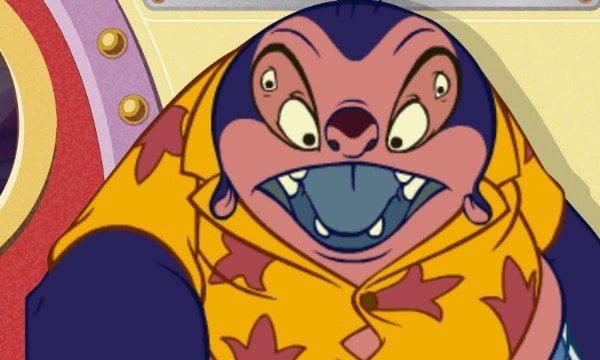
When Dr. Jumba Jookiba’s 626 genetic experiments began scattering across Kauaʻi, reactivating from their dehydrated pods, it presented a chaotic problem for Earth. Yet, this alien invasion blossomed into an extraordinary narrative of discovery and acceptance: The 'True Place' & Rehabilitation of Jumba's Experiments. Far from being mere destructive "trogs," as Gantu dismissively labeled them, these creatures, with their unique powers and often mischievous natures, found new purpose and belonging, illustrating a profound message about identity and 'ohana.
At a Glance: Jumba's Experiments & Their Journey to Purpose
- Who Are They? Genetically engineered creatures (Jumba's experiments, Stitch's cousins, 'ohana) designed for disruption.
- How They Activate: Dehydrated into small pods, they reactivate upon contact with water.
- The Rehabilitator: Lilo Pelekai, with Stitch, names and guides them.
- The Core Concept: Finding each experiment's "one true place" where their unique abilities serve a positive purpose.
- Why It Matters: A powerful metaphor for finding belonging, transforming perceived flaws into strengths, and the importance of family and acceptance.
- The Scope: 626 original experiments, each with distinct powers, weaknesses, and a journey to find their role on Earth.
From Destructive Designs to Discovering 'Ohana
Jumba Jookiba, "evil genius" and creator of these remarkable beings, initially conceived them for chaos and disruption, funded by the notoriously petty Dr. Jacques von Hämsterviel. Each experiment was a marvel of genetic engineering, designed with a specific (often malevolent) function: from creating black holes to turning objects into ham. Once completed, they were dehydrated into compact, colorful pods, ready to unleash their programming upon reactivation with water.
The irony, of course, is that Earth, particularly the lush and wet island of Kauaʻi, became their accidental sanctuary. Here, under the guidance of a spirited young girl named Lilo and her alien best friend Stitch, their intended purpose was gently, painstakingly, but fundamentally redirected. It wasn't about erasing their powers, but rather about understanding them, naming them, and then guiding them to a "one true place" where those very abilities could contribute positively to their new home. This quest to redefine villainy as a unique skillset forms the heart of their story.
The Intricate Biology of Jumba's Creations
Jumba's experiments are a testament to advanced alien biotechnology, each boasting unique appearances, powers, and often shared genetic traits like wall-scaling or retractable limbs due to DNA reuse. They age differently from Earth organisms, a subtle reminder of their extraterrestrial origins.
Crucially, their lifecycle involves deactivation into pods and reactivation upon contact with water. This mechanism allowed them to be stored and deployed but also made them susceptible to the moist Hawaiian environment. Once activated, the only known method for deactivating an experiment back into a pod is a home food dehydrator – a charmingly mundane solution to an intergalactic problem.
Jumba, ever the cunning scientist, also built in several "fail-safes" to control his creations. For instance, Experiment 627 (a more powerful, red version of Stitch) suffered from overreactive humor that could disable him, while Leroy (626's evil clone) had a critical vulnerability to the song "Aloha ʻOe." These deliberate weaknesses highlight Jumba's foresight, even in his villainous days.
However, these complex organisms aren't without their needs. Upon creation, they require full molecular charging. Incomplete charging leads to a host of debilitating issues: glitches, seizures, temporary reversion to original evil programming, and eventually, circuit burnout and death within a year. This vulnerability adds a layer of urgency and care to their rehabilitation.
Interestingly, not all experiments affect each other equally. While Mr. Stenchy's cuteness might enthrall humans, other experiments are immune to his charms. More concerning are those designed to revert others to their evil programming, such as Angel (624), Amnesio (303), and Retro (210), posing significant challenges to the ongoing rehabilitation efforts. The vast ecosystem of all about Lilo and Stitch aliens underscores the diversity and challenges inherent in this unique 'ohana.
Decoding the 'Ohana: Experiment Series Classification
To truly understand Jumba’s experiments, one must grasp their classification system, a structured approach to chaos. The first digit of an experiment's number indicates its series, as confirmed by executive producer Jess Winfield, generally correlating with pod colors.
- 0-Series: The Test Batch & Household Helpers. These were Jumba's earliest creations, often designed for more mundane (though still disruptive) purposes. They include experiments like 001 Shrink (changes object sizes), 005 Truxx (moves heavy equipment), 010 Felix (Oscar), the extreme cleaner, and 029 Checkers (hypnotizes via crown). Many found their "one true place" in domestic or community roles, like 007 Gigi (Yapper) becoming Mertle's pet, or 014 Kernel popping corn at a movie theater.
- 1-Series: Civic Disturbances. These experiments focused on disrupting everyday life and society. You'd find here creatures like 102 Stopgo (traffic jams, later a traffic light), 113 Shoe (controls luck), 119 Inverto (turns things inside out), and 151 Babyfier (turns adults into babies, now rejuvenates old dogs). Their rehabilitation often involves channeling their disruptive energy into harmless or even helpful applications.
- 2-Series: Technological and Scientific. These experiments leveraged advanced science to cause problems. This series includes iconic figures like 221 Sparky (electrical surges, now powers a lighthouse), 223 Glitch (computer virus, now makes video games harder), 254 Mr. Stenchy (noxious odor, now a valuable perfume component), and 262 Ace (a purely good experiment with no evil function, inverse of Stitch's number 626). The "good" nature of Ace was a design flaw, but a beneficial one, emphasizing that even Jumba could accidentally create good.
- 3-Series: Psychological Warfare. The 3-series experiments aimed to disrupt mental states and interpersonal relationships. Examples include 300 Spooky (morphs into fears, now a Halloween greeter), 303 Amnesio (erases memories), 316 Morpholomew (morphs organisms, now a costume store assistant), and 323 Hunkahunka (makes people fall in love, as seen when Hämsterviel fell for Gantu). Their rehabilitation often involves managing emotional impact and redirecting their powers for entertainment or harmless social interactions.
- 4-Series: Top Secret & Militaristic. These were Jumba's most dangerous, often failed, experiments designed for direct combat or strategic warfare. Information on this series is sparse, reflecting their classified nature.
- 5-Series: Elemental and Environmental Manipulators. These experiments controlled natural forces to cause large-scale devastation. Think of creatures that could alter weather, geology, or other environmental factors. 523 Slushy (creates ice and snow, now makes low-fat shave ice) is a prime example of redirecting environmental power for beneficial use.
- 6-Series: Battlefield and Doomsday Experiments. The pinnacle of Jumba's destructive genius, these were his most powerful creations, designed for galactic-level warfare and mass destruction. 626 Stitch himself, and later 627 and 628 Leroy, belong to this fearsome category. Their rehabilitation often involves the greatest challenges and demonstrates the profound impact of 'ohana and unconditional love.
Spotlight on Rehabilitation: From "Evil" to "One True Place"
The journey from a destructive design to a "one true place" is where the magic of Lilo's philosophy truly shines. It's not about forcing an experiment to be something it's not, but rather finding a context where its inherent abilities are beneficial.
Misunderstood Purposes: Many experiments simply had their "evil" function reinterpreted.
- 010 Felix (Oscar): Designed for extreme sterilization, he would throw away anything perceived as "dirty," including people. Rehabilitated as "Oscar," he became a dirt-maker, effectively reversing his negative impact, then later a more balanced cleaner.
- 177 Clip: Intended to eat Uburnium fuel, a language error made her consume hair instead. Instead of a destructive energy hog, she became a hair stylist's best friend in a beauty salon.
- 128 Bugby: Originally designed to turn civilizations into harmless insects, she was reprogrammed to transform inanimate objects into insects, now helping farmers by turning rocks into ladybugs.
Channeling Harmful Abilities for Good: Some experiments' powers were inherently dangerous, but with a slight twist, they found positive applications. - 221 Sparky: The very first experiment Lilo and Stitch successfully rehabilitated. Sparky's ability to create crippling electric surges was harnessed to power an old, abandoned lighthouse, bringing light and safety to the coast.
- 062 Frenchfry: A lightning-fast chef designed to cook unhealthy food and eat victims, he was rehabilitated to cook healthy meals at a French fry hut, turning his speed into a culinary asset.
- 297 Shortstuff: Designed to destroy machinery from the inside, his size was increased by Jumba, and he found his "one true place" as an amusement park ride, delighting children instead of dismantling technology.
- 210 Retro: His power to revert enemy weapons and technology to a primitive state (or even people) was repurposed. He now works at a prehistoric zoo, devolving fossils, a unique contribution to scientific display.
Social & Emotional Integration: Some experiments' "evil" was more social or psychological, finding acceptance in unique niches. - 007 Gigi (Yapper): Her constant barking, meant to annoy, became a source of companionship and even a catalyst for Mertle's slow integration into Lilo's 'ohana. Gigi herself gained the ability to speak English as Mertle's pet.
- 029 Checkers: This hypnotic crown, designed to make people obey the wearer, now serves as a decorative, harmless crown for festivals, celebrating instead of manipulating.
- 316 Morpholomew: Designed to morph organisms into other forms, he now works at a costume store, helping people achieve their desired looks for parties and events.
- 251 Link: Originally shooting sticky substances to bind incompatible individuals, he now helps as a bungee jumping guide, ensuring participants are safely linked together for their thrill.
Unintended Positives: Sometimes, an experiment was simply... good. - 262 Ace: A true anomaly, Ace was designed with no evil function whatsoever, possessing super strength, ice-melting breath, and a heroic demeanor. His fatal "error" was his failure to be evil. He found his "one true place" balancing Jumba's evil and acting as a local do-gooder, embodying pure heroism.
Finding a Niche in Community Life: Many experiments found their purpose in contributing to daily life. - 014 Kernel: His popcorn-popping ability made him a perfect fit for a movie theater.
- 020 Slick: Designed to sell anything to anyone, he now excels at charity fundraisers, using his persuasive skills for good.
- 258 Sample: His ability to loop random sounds now provides backbeats for a musical group, creating art instead of annoyance.
- 277 Snooty: Originally a finder and enricher of "Snootonium" (a dangerous element akin to mucus), Snooty now acts as Victoria's pet, using his abilities to clear sinuses, a surprisingly beneficial outcome.
The remarkable thing is how Lilo and Stitch approach this. They don't destroy or imprison. They observe, understand, and gently redirect, demonstrating that even the most "evil" creation possesses inherent value when placed in the right environment. This philosophy extends to the most mundane problems, like 204 Nosox who makes socks disappear, finding its "one true place" doing exactly that in a specialized laundry facility.
Addressing the Challenges of Integration
While many experiments found their "one true place," the journey was far from smooth. Gantu and Dr. Hämsterviel constantly sought to recapture and weaponize them, forcing Lilo and Stitch into ongoing battles. Some experiments, like 089 Skip, designed to skip time, created significant problems when an error caused him to skip by 10 years, leading to a Hämsterviel-ruled Earth. His reset button was a crucial fail-safe.
The inherent "evil" programming, the need for full molecular charging, and the existence of experiments like Angel, Amnesio, and Retro who could revert others, presented constant threats to their rehabilitation. It took unwavering commitment, courage, and the power of 'ohana to ensure their new lives stuck.
The Enduring Legacy: A Universal Message of Belonging
The saga of Jumba's experiments is more than just a quirky alien adventure; it's a profound exploration of identity, acceptance, and the power of finding one's purpose. Each experiment, initially a weapon of destruction, becomes a testament to the idea that no one is inherently "bad." Their "evil" functions are simply misdirected talents waiting for the right context.
This narrative champions the idea of 'ohana, meaning family, where no one gets left behind or forgotten. Lilo's compassionate approach to these creatures—naming them, understanding their quirks, and guiding them to a meaningful existence—serves as a powerful metaphor for how we can approach those who are different, misunderstood, or deemed "problematic." It encourages us to look beyond initial appearances or perceived intentions and seek out the inherent value in every individual.
Ultimately, "The 'True Place' & Rehabilitation of Jumba's Experiments" teaches us that true belonging comes not from conforming, but from finding a space where our unique strengths, no matter how unconventional, can flourish and contribute to the greater good. It's a universal message: everyone, even a genetically engineered creature designed for chaos, deserves a chance to find their one true place.